
Sleep and Mood: How Sleep Supports Mental Well‑Being
May is Mental Health Awareness Month! Project Sleep believes that mental health and sleep health are closely intertwined. We are excited to share interesting connections between sleep and mental health.

What is the connection between sleep and mood?
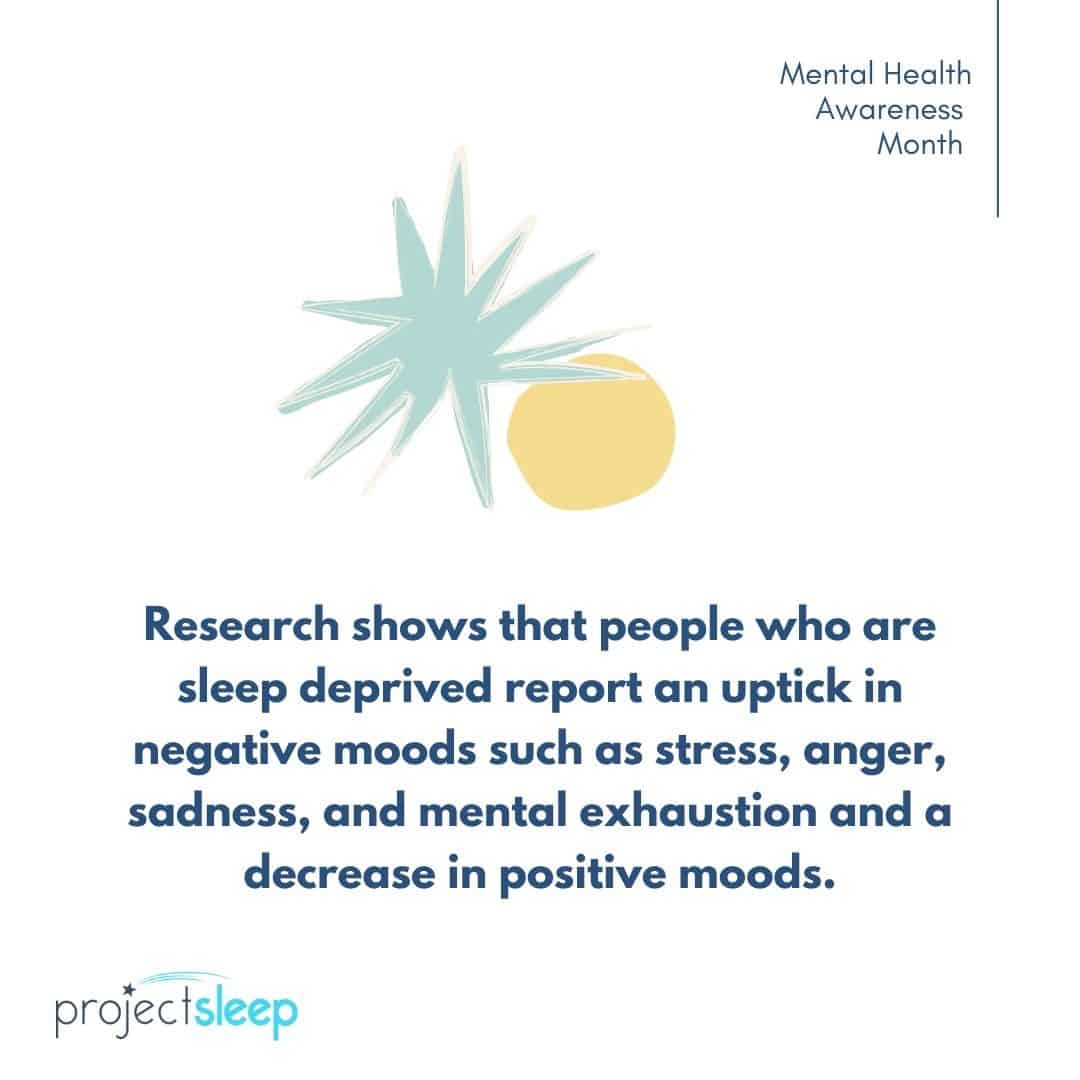
Research shows that people who are sleep deprived report an uptick in negative moods and a decrease in positive moods. In one study, participants limited to only 4.5 hours of sleep a night for one week reported feeling more stressed, angry, sad, and mentally exhausted—that is, until they started sleeping well again (NIH).
So, skimping on sleep can affect your mood, causing irritability and stress. Intuitively we might all know that, but understanding why inadequate sleep has such a strong impact can help us take sleep more seriously as a pillar of mental health.
What is Mood?
Mood differs from emotion as it lacks an object and is longer-lasting, while emotion is aroused by something specific and is short-term. Moods may last for “hours, days, or even weeks, perhaps at a low level and without the person knowing what prompted the state.” (Dictionary.org)
While we sleep, our brain processes emotional information. A full night of deep, quality sleep allows the brain to properly evaluate and remember thoughts and memories. A lack of sleep, however, is harmful to the consolidation of positive emotional content. This can impact mood, and is tied to mental health disorders (Sleep Foundation). On the other hand, your mood can affect how well you sleep. Agitation, anxiety, and stress at bedtime can get in the way of falling asleep or getting a good night’s sleep by making the body aroused and alert.
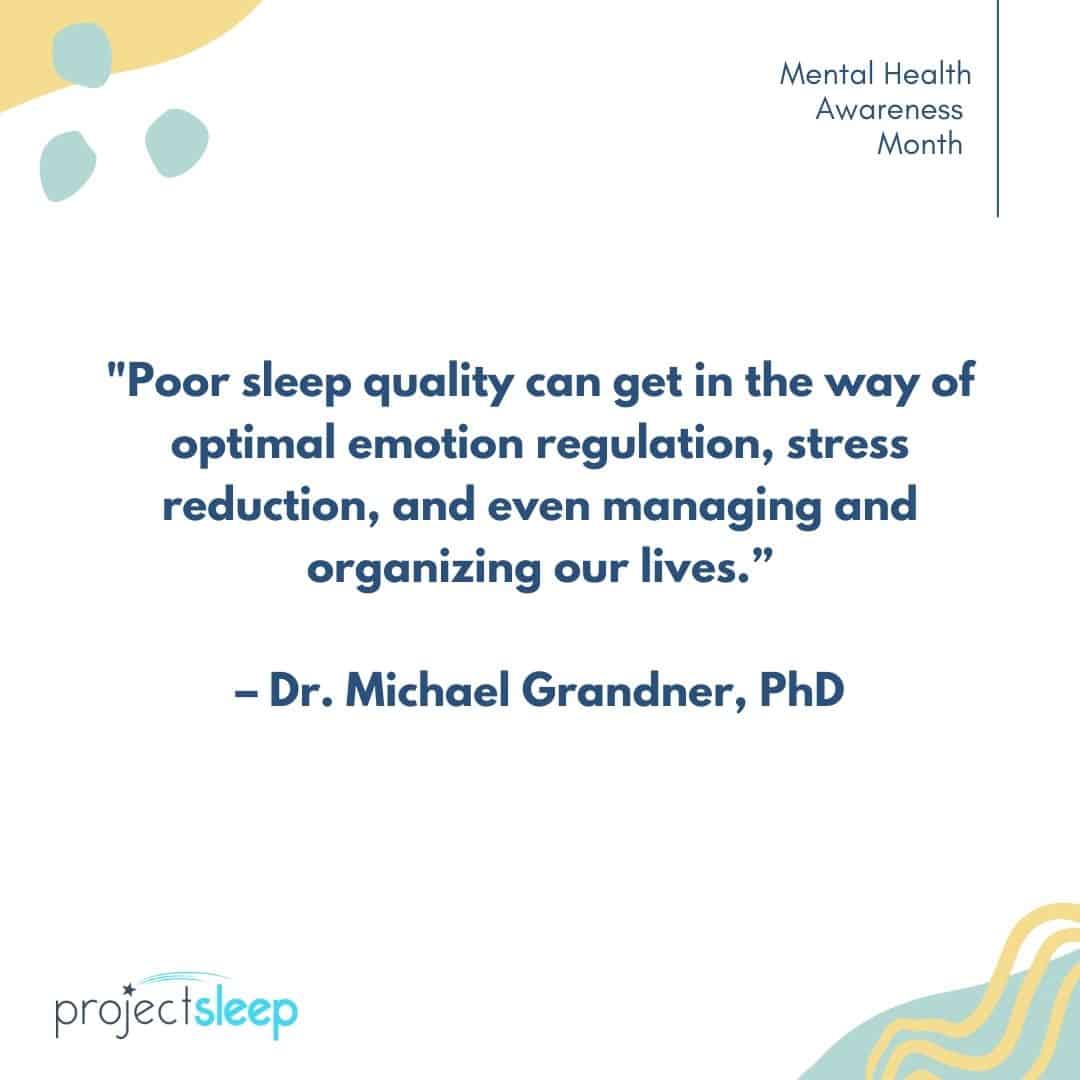
Poor sleep quality can get in the way of optimal emotion regulation, stress reduction, and even managing and organizing our lives.”
– Dr. Michael Grandner, PhD, via Well + Good
Anxiety and Mood Disorders
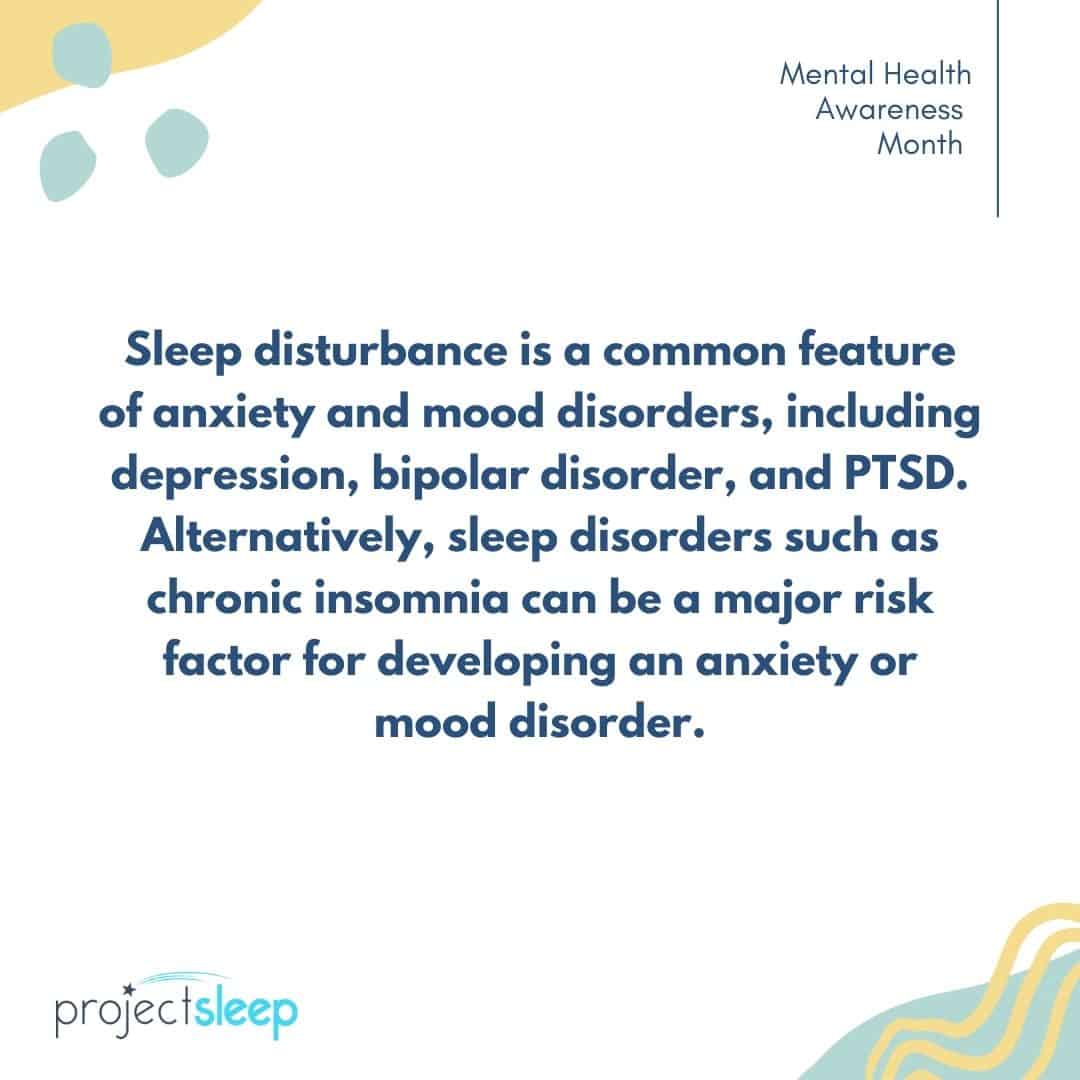
Sleep disturbance is a symptom or common feature of anxiety and mood disorders, including depression, bipolar disorder, and PTSD. On the flip side, sleep disorders such as chronic insomnia can be a major risk factor for developing an anxiety or mood disorder.
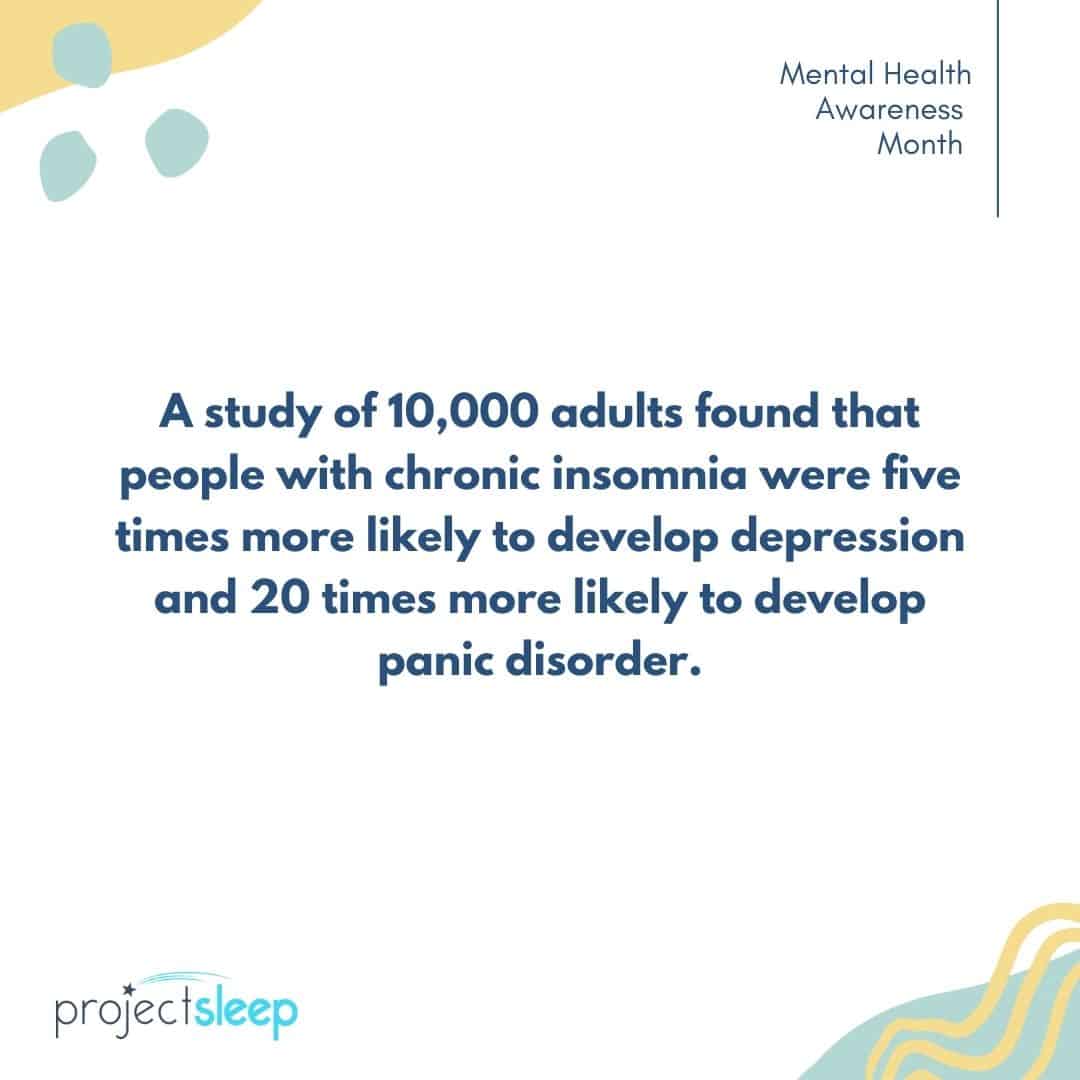
A study of 10,000 adults found that people with chronic insomnia were five times more likely to develop depression and 20 times more likely to develop panic disorder (Harvard Medical School). Multiple studies demonstrate that insomnia and hypersomnia are associated with an increase in suicidal ideation and risk of suicide in people with major depression (NIH, NIH, NIH).
Moving Forward
It is clear that sufficient sleep is critical for overall mental health. Focusing on resolving sleep disturbances can often lead to more effective treatment of mood disorders.
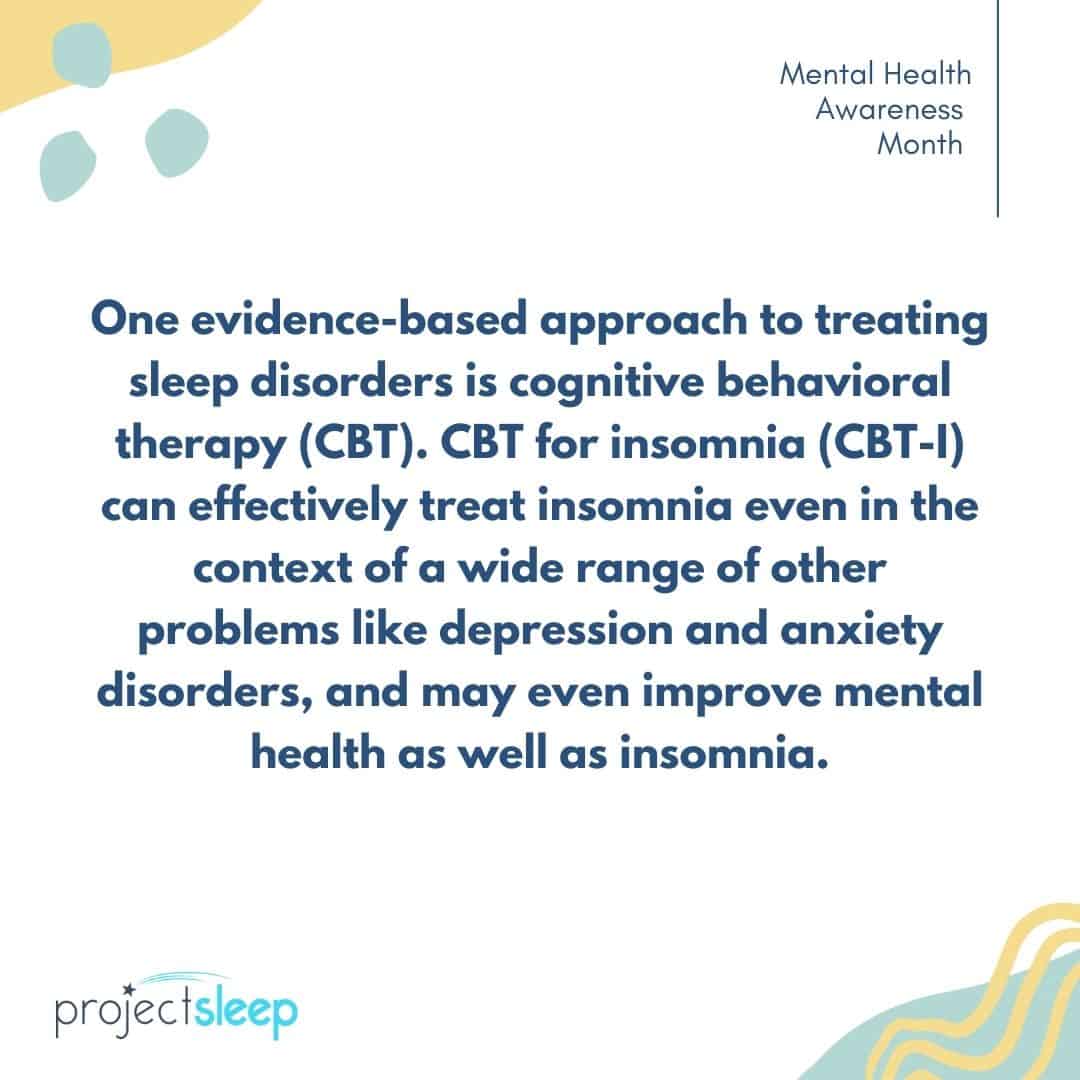
One scientifically backed approach to treating sleep disorders is cognitive behavioral therapy (CBT)—an evidence-based, skills-focused talk-therapy treatment. CBT for insomnia (CBT-I) tailors sleep/wake schedules to the patient, addresses worries about sleep, works on quieting the brain and body, and targets sleep-incompatible behaviors to improve sleep. It is important to note that CBT-I can effectively treat insomnia even in the context of a wide range of other problems like depression and anxiety disorders, and may even improve mental health as well as insomnia.
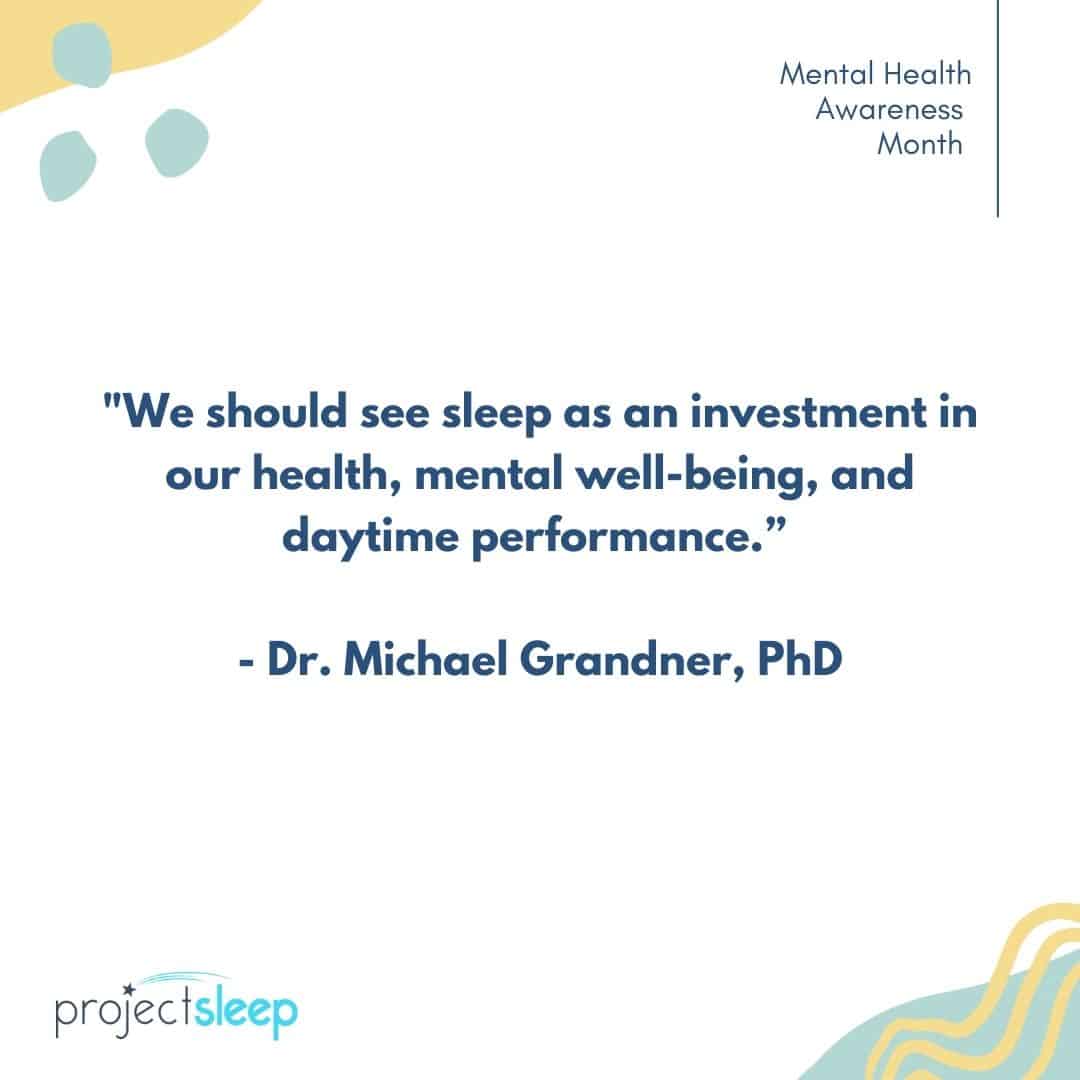
We should see sleep as an investment in our health, mental well-being, and daytime performance.”
– Dr. Michael Grandner, PhD, via Well + Good
Resources
For a deeper dive into mood, mental health, & sleep:
- Important to consider when talking about sleep & mental health: How Your Race Impacts Your Sleep with Dr. Dayna Johnson (The Snooze Button)
- Nerd out on research: Sleep disturbance in psychiatric disorders: effects on function and quality of life in mood disorders, alcoholism, and schizophrenia
For those interested in improving their sleep quality:
Written by Anna Marr
It’s normal for people to feel tired or overwhelmed sometimes. If mood changes and feelings of anxiety or unhappiness are severe, or if they last longer than 2 weeks, please consider seeking a medical professional.
If you or a loved one are struggling with anxiety or panic disorder, contact the Substance Abuse and Mental Health Services Administration (SAMHSA) National Helpline at 1-800-662-4357 for information on support and treatment facilities in your area. The National Alliance on Mental Illness (NAMI) also provides a free, confidential helpline available Monday Through Friday, 10:00 a.m. – 10:00 p.m. ET at 1-800-950-6264.
Social Media Shareables

More on Sleep and Mental Health
Sleep and Mood: How Sleep Supports Mental Well‑Being

Sleep and Anxiety: Understanding the Two‑Way Connection

Sleepiness, Fatigue, or Depression? How to Tell the Difference
The post Sleep and Mood: How Sleep Supports Mental Well‑Being appeared first on Project Sleep.
Läs hela artikeln: Visa original