
Six Tips for Managing Sleep During Stressful Times
 Difficult times — whether personal, societal, or global — can take a real toll on sleep. If you’ve ever wondered, “Why can’t I sleep when I’m stressed?” or have noticed your sleep changing during a challenging period, you’re not alone. Many people experience restless nights, early morning awakenings, or trouble falling asleep when life feels overwhelming.
How Stress Affects Sleep
Stress affects the nervous system, disrupts routines, and makes it harder to wind down at night. On top of that, not getting enough sleep and experiencing poor sleep’s effects can lead to more anxiety about your ability to fall and stay asleep. When you’re anxious about falling asleep, your body is alert and your thoughts may be racing. The more worry you accumulate around falling asleep, the more it becomes a habit—an anticipated bedtime anxiety that ends up reinforcing your negative thoughts about going to bed.
According to a study done in 2019 at University of California – Berkeley, a night with no sleep can trigger up to a 30 percent rise in emotional stress levels, making it all the more important to get quality sleep during difficult times.
Practical Tips to Protect Your Rest and Well‑Being
The good news is that there are small, yet effective measures you can take to help protect your rest. Below are a few simple strategies created in collaboration with members of our Expert Advisory Board to support your sleep and emotional well‑being during stressful times.
1. Limit Exposure to Distressing Content
When there’s so much going on in the world, it’s natural to want to stay informed. But constant exposure to upsetting or sensationalistic content can heighten stress and make sleep more difficult. Consider setting boundaries around news and social media, especially in the evening or early morning when your brain is more sensitive to emotional input.
This could look like:
- Turning off push notifications
- Setting “media‑free” hours before bed
- Keeping your phone out of reach during wind‑down time
Protecting your mental space is not avoidance; it’s self‑preservation.
2. Externalize Worries Before Bed
Stressful periods often bring racing thoughts at night. Writing down your worries can help your brain “set them aside” until morning. Consider making two lists. One of things out of your control, and another of things you may want to explore in the future, such as getting involved with organizations aligned with your values. This simple practice can reduce mental load and make it easier to transition into rest.
3. Stick to Your Sleep Schedule
A couple of rough nights don’t mean your sleep is broken. It’s tempting to overcorrect by sleeping in, going to bed extra early, or taking long naps — but these changes can actually make sleep harder to regulate.
Instead:
- Keep your usual wake time
- Maintain your daytime routine as best you can
- Allow your sleep to recalibrate naturally over the next few days
Consistency is one of the most powerful tools for restoring healthy sleep patterns.
4. Spend Time Outside and Connect with Your Community
Natural light, fresh air, and gentle movement can help regulate your body clock and reduce stress. Even a short walk can make a meaningful difference.
Connection matters too. Spending time with supportive people, even in small, low‑energy ways, can help you feel grounded. At the same time, acknowledge that others may also be low on spoons, or emotional bandwidth, as well. Shared quiet time, brief check‑ins, or simply being together can be just as nourishing as going out or having big plans.
5. If You Live with a Sleep Disorder, Stay Mindful of Your Care
Stress can interact with existing sleep conditions, making it especially important to stay on top of your treatment plan. Keep an eye on:
- Prescriptions and medication refills
- Treatment routines
- Follow‑up appointments
Give yourself extra grace and rest as needed. Your body is doing its best to navigate a challenging moment.
6. Know When to Seek Professional Support
If you’re continuing to struggle with stress, mood changes, or sleep difficulties despite trying these strategies for a few weeks, reach out to a professional. Seeing a sleep specialist or mental health care provider is a huge step toward understanding and improving your sleep and well-being. For tips on how to approach speaking with your primary care doctor about sleep issues, see our Talking to Your Doctor About Sleep Issues resource.
And remember — you don’t have to navigate this alone.
Book Recommendations for Insomnia
Whether you’re experiencing chronic insomnia, need some actionable tips for managing nighttime anxiety, or just looking for some bedtime routine ideas, these books have got you covered.

The Women’s Guide to Overcoming Insomnia, written by clinical psychologist and behavioral sleep medicine specialist, Dr. Shelby Harris, is a roadmap for those who experience anything from occasional bad nights to chronic insomnia. It outlines several methods to overcome these issues and improve physical and emotional well- being. From medical sleep aids to nonmedical approaches, the book looks beyond the basics of sleep hygiene, helping women to retrain their bodies and minds for a good night’s sleep every night.

From renowned ABC News anchor/correspondent and former insomniac Diane Macedo, comes a practical, user-friendly guide to getting better sleep. The Sleep Fix flips the switch on common advice, illuminating the reporter’s relentless search for how to get a good night’s sleep and the surprising, scientific, and practical solutions she found along the way.
Feeling Overwhelmed? We’re Here for You
 Not sure where to start? Contact Project Sleep’s Sleep Helpline! The Sleep Helpline is a free, national resource offering personalized support and trusted information for people facing sleep issues and sleep disorders.
Reach out to connect with a compassionate Resource Specialist who will listen and help provide accurate sleep disorder information, resources to help you navigate daily living and the healthcare landscape, and connect you to certified sleep centers and patient support organizations.
Sleep Helpline Resource Specialists are available Monday to Friday 9 a.m. – 4 p.m. (Eastern Time). Leave us a message 24/7 and we’ll get back to you on the next business day.
- Call us: 1-800-819-2043
- Email us: helpline@project-sleep.com
- Learn more: project-sleep.com/helpline
More on Sleep and Mental Health

Six Tips for Managing Sleep During Stressful Times
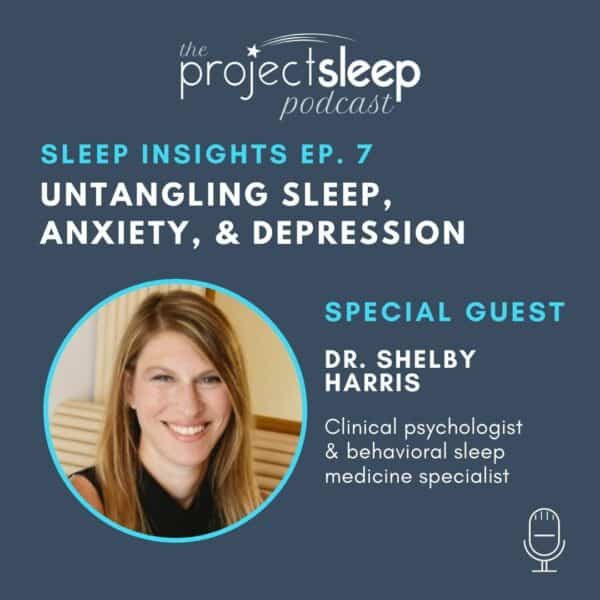
The Project Sleep Podcast: Untangling Sleep, Anxiety, and Depression
Sleep and Mood: Mental Health Awareness Month Part 4
The post Six Tips for Managing Sleep During Stressful Times appeared first on Project Sleep.
Läs hela artikeln: Visa original